
Real Estate Terms Explained: Navigating Austin Luxury
Relocating from cities like New York or San Francisco to Austin’s luxury property market means stepping into a world defined by unique terminology and complex legal concepts. Understanding the meaning of each real estate term is crucial when making multimillion dollar decisions in exclusive communities like Westlake or Tarrytown. This guide provides clear explanations of the most important terminology, empowering you to approach every Austin luxury transaction with confidence and clarity.
Table of Contents
- Defining Core Real Estate Terminology
- Essential Contract Types And Documents
- Understanding Title, Escrow, And Appraisals
- Legal Considerations In Austin Transactions
- Financial Risks And Common Mistakes To Avoid
Key Takeaways
| Point | Details |
|---|---|
| Understanding Terminology | Familiarize yourself with terminology like Appraisal, Market Value, and Fee Simple to make informed decisions in Austin’s luxury real estate market. |
| Legal Framework | Engage a local real estate attorney to review documents and understand local regulations, including Disclosure Requirements and Homestead Exemption Laws. |
| Financial Vigilance | Conduct due diligence to avoid common financial pitfalls, such as appraisal discrepancies and hidden costs, by obtaining multiple appraisals and comprehensive inspections. |
| Utilize Specialized Services | Consult financial advisors who specialize in luxury real estate investments to develop robust risk mitigation strategies before making purchases. |
Defining Core Real Estate Terminology
Navigating Austin’s luxury real estate market requires understanding specific terminology that defines property transactions, valuations, and ownership dynamics. Whether you’re considering a waterfront home in Westlake or an architecturally significant downtown property, comprehending these fundamental terms helps you make informed decisions. The real estate legal landscape is complex, demanding precise language comprehension.
Real estate professionals utilize a specialized vocabulary that encompasses various property characteristics and transactional elements. Appraisal represents the professional assessment of a property’s market value, typically conducted by licensed experts who analyze comparable sales, property condition, location, and unique features. Market Value specifically refers to the most probable price a property would sell for in an open, competitive market, where both buyer and seller are acting prudently and without undue pressure. Fair Market Value takes this concept further by considering hypothetical conditions of a reasonable sale.
Some core terminology relates directly to property ownership structures. Fee Simple represents the most comprehensive form of property ownership, where the owner has complete rights to use, modify, sell, or transfer the property, subject only to local zoning laws and government regulations. Leasehold Interest represents a more limited form of property control, where an individual has the right to use and occupy a property for a specified period, typically through a contractual lease agreement. Property assessment standards provide additional context for understanding these nuanced ownership concepts.
Here’s a quick reference for key property ownership structures in Austin luxury real estate:
| Ownership Type | Rights & Flexibility | Typical Use Case |
|---|---|---|
| Fee Simple | Full rights to modify, sell, or lease | Private residences |
| Leasehold | Right to occupy for set lease term | High-rise condos, rental properties |
| Joint Tenancy | Shared equal ownership, rights of survivorship | Co-owned investment properties |
| Tenancy in Common | Proportional ownership, no survivorship | Inherited family estates |
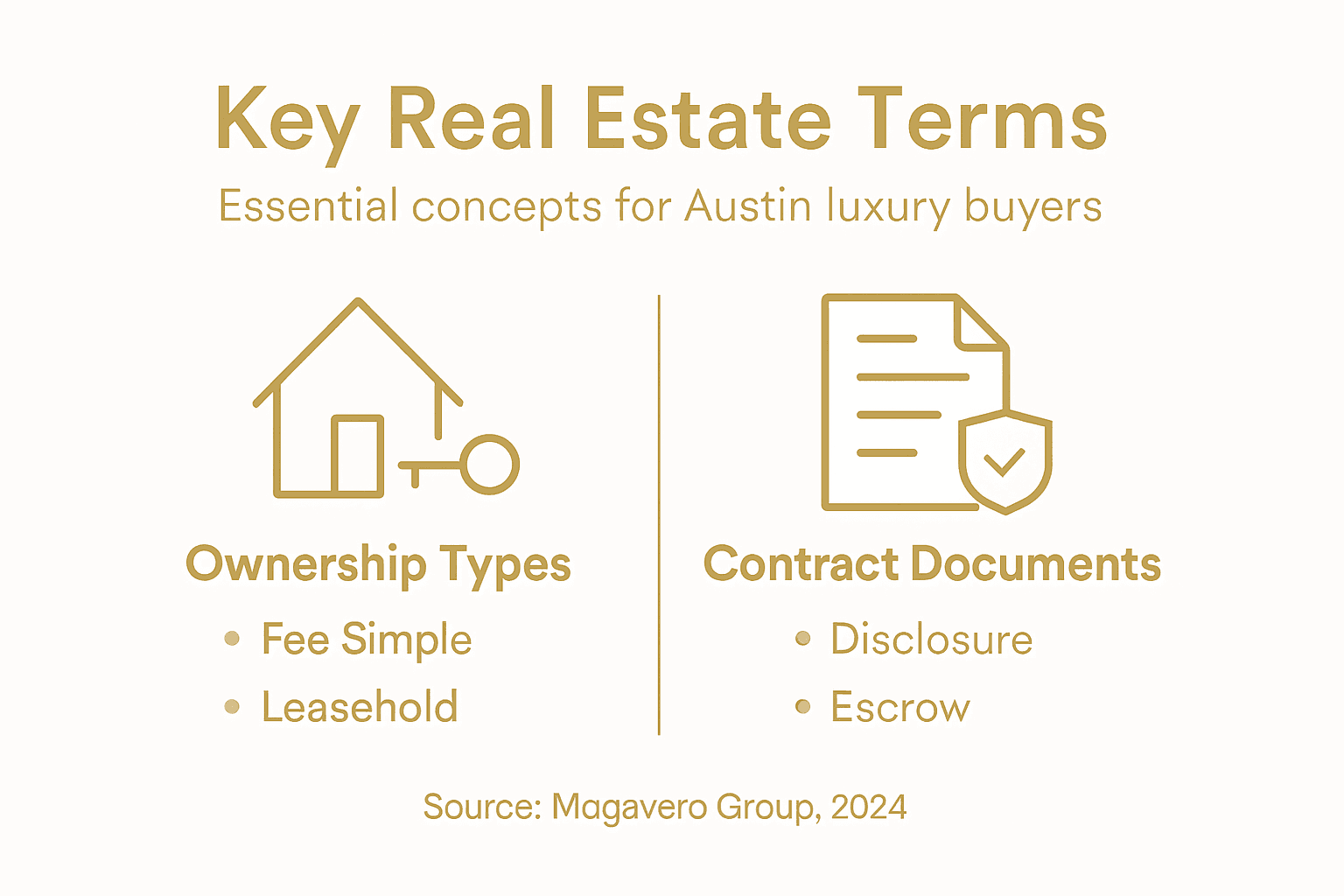
Pro tip: When exploring luxury Austin real estate, always request a comprehensive property disclosure and have a professional review all terminology to ensure complete understanding of the specific ownership rights and property characteristics.
Essential Contract Types and Documents
Luxury real estate transactions in Austin demand a sophisticated understanding of various contract types and legal documents that protect both buyers and sellers. Contract law fundamentals govern these complex interactions, ensuring transparent and legally binding property exchanges. Each document serves a critical purpose in defining the terms, conditions, and expectations of real estate transactions.
The primary contract in most real estate transactions is the Purchase and Sale Agreement, a comprehensive document that outlines the specific terms of property transfer. This legally binding contract details the purchase price, contingencies, closing date, and specific conditions that must be met for the transaction to proceed. Another crucial document is the Listing Contract, which authorizes a real estate broker to represent the seller’s interests, establish commission structures, and market the property. This contract typically includes exclusive rights to sell provisions, specifying the broker’s compensation and duration of representation.
Additional essential documents include Disclosure Statements, which legally require sellers to reveal known property defects, potential environmental hazards, or significant structural issues. Title Documents prove legal ownership and ensure the property can be legally transferred without encumbrances. Mortgage Documents outline the financial terms, loan conditions, and borrower responsibilities for properties purchased with financing, including detailed information about interest rates, repayment schedules, and potential penalties.
Pro tip: Always engage a specialized real estate attorney to thoroughly review all contract documents before signing, ensuring you fully understand the legal implications and potential risks of your luxury property transaction.
Understanding Title, Escrow, and Appraisals
Luxury real estate transactions in Austin require a sophisticated understanding of critical processes that protect both buyers and sellers. Title and escrow mechanics form the backbone of secure property transfers, ensuring comprehensive legal protection and financial transparency. These complex mechanisms safeguard the substantial investments involved in high-end real estate transactions.
Title represents the legal documentation of property ownership, serving as the definitive proof of an individual’s right to possess and use a specific piece of real estate. A Title Search meticulously examines public records to verify the property’s ownership history, identifying potential legal issues such as liens, encumbrances, or competing ownership claims. Title Insurance provides critical protection, compensating the property owner or mortgage lender if unexpected ownership disputes arise after the purchase. This insurance is particularly crucial in luxury markets where property values and potential legal complications can be significantly more complex.
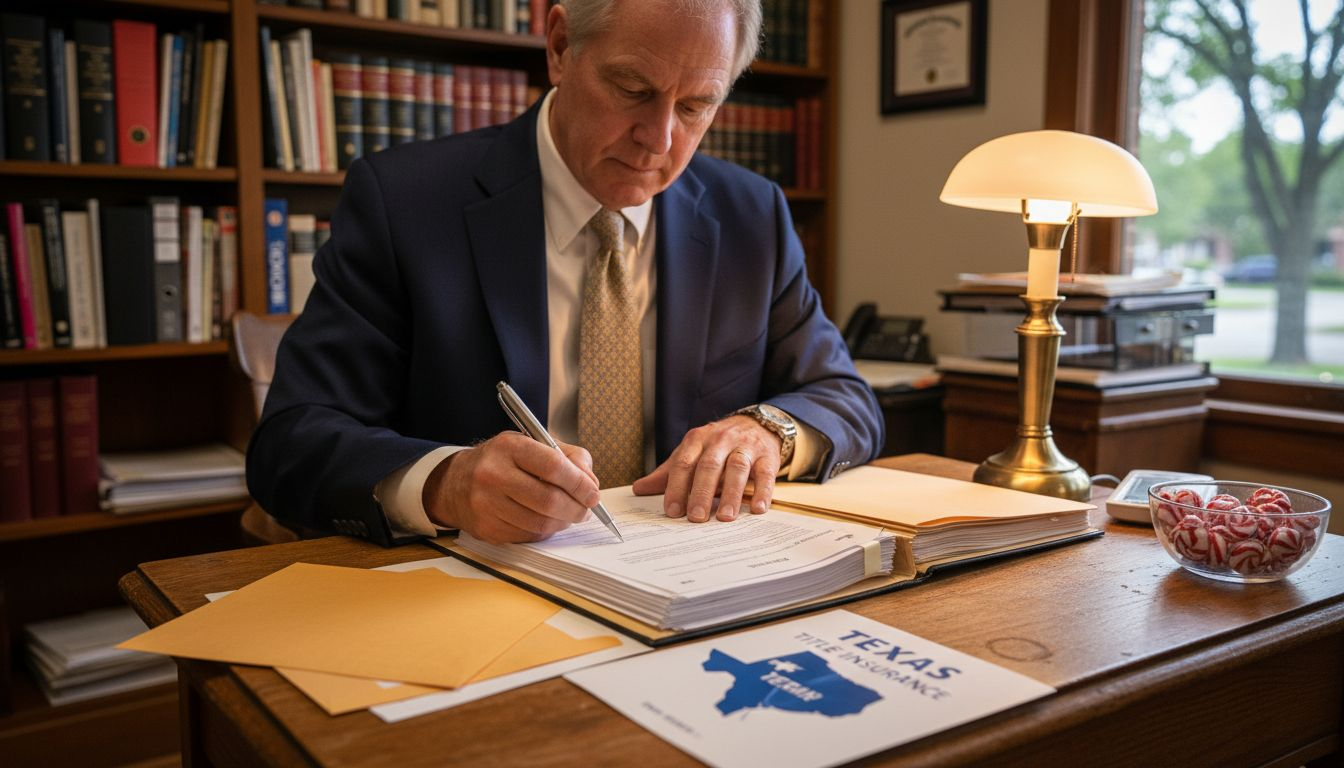
Escrow functions as a neutral third-party mechanism that manages funds and critical documents during real estate transactions. Appraisal guidelines play a crucial role in determining property value, with professional appraisers conducting comprehensive evaluations that consider multiple factors including location, property condition, comparable sales, and unique architectural features. In Austin’s luxury market, appraisals must account for specialized amenities, architectural significance, and micro-market nuances that can dramatically impact property valuation.
Pro tip: Request a comprehensive title search and invest in enhanced title insurance for luxury properties, as the potential legal and financial risks in high-end real estate transactions can be substantially more complex than standard residential purchases.
Legal Considerations in Austin Transactions
Luxury real estate transactions in Austin demand a nuanced understanding of local legal frameworks that protect both buyers and sellers. Real estate transaction regulations provide critical guidance for navigating the complex legal landscape of property transfers in Texas. These regulations encompass a wide range of considerations that can significantly impact the success and security of high-end property investments.
Texas has unique legal provisions that distinguish its real estate market, particularly in areas like Austin. Homestead Exemption Laws offer significant property tax protections for primary residences, allowing homeowners to shield a portion of their property’s value from taxation. Deed Restrictions play a crucial role in luxury markets, especially in planned communities and historic districts like Tarrytown, where specific architectural and land use guidelines can dramatically affect property rights and potential modifications. Local housing policy advocacy highlights the importance of understanding these intricate legal nuances that can impact property values and ownership rights.
Additional legal considerations specific to Austin include Disclosure Requirements, which mandate that sellers reveal known defects or issues with the property. The state’s Seller’s Disclosure Notice is particularly comprehensive, requiring detailed information about the property’s condition, potential environmental hazards, and any known structural issues. Zoning regulations in Austin can be complex, especially for luxury properties in areas with strict historical preservation guidelines or environmental protections, making legal consultation crucial for potential buyers and sellers.
Pro tip: Engage a local real estate attorney specializing in Austin transactions to conduct a comprehensive review of all legal documents and local regulations before finalizing any luxury property purchase.
Financial Risks and Common Mistakes to Avoid
Luxury real estate transactions in Austin involve complex financial landscapes that demand meticulous attention and strategic planning. Common transaction mistakes can expose investors to significant financial vulnerabilities, making comprehensive due diligence crucial for protecting substantial investment capital. High-end property acquisitions require a sophisticated approach that goes beyond standard residential transactions.
Financial risks in luxury real estate often stem from overlooked details and inadequate preparation. Appraisal Discrepancies represent a critical potential pitfall, where property valuations may not align with expected market values, potentially creating financing challenges. Risk management strategies emphasize the importance of obtaining multiple professional appraisals and understanding market fluctuations specific to Austin’s unique luxury neighborhoods. Investors must carefully evaluate potential hidden costs, including property taxes, maintenance expenses, historical restoration requirements, and potential zoning restrictions that could impact future property values.
Additional financial risks include insufficient Contingency Planning, inadequate understanding of tax implications, and underestimating renovation or maintenance costs for historic or architecturally significant properties. Luxury properties in areas like Tarrytown or Westlake often require specialized maintenance, and unexpected restoration expenses can quickly erode investment returns. Potential buyers should conduct comprehensive property inspections, review historical maintenance records, and develop a detailed financial model that accounts for potential market shifts and long-term property value trajectories.
This table summarizes key risks and solutions in luxury real estate transactions:
| Common Risk | Financial Impact | Preventative Measure |
|---|---|---|
| Appraisal discrepancies | Loan approval delays, overpaying | Obtain multiple independent appraisals |
| Missed defects in disclosures | Unexpected repair expenses | Comprehensive property inspections |
| Title disputes | Loss of ownership rights | Invest in enhanced title insurance |
| Inaccurate contingency planning | Cost overruns, deals falling through | Involve legal and financial experts |
Pro tip: Engage a certified financial advisor specializing in luxury real estate investments to conduct a comprehensive financial analysis and develop a robust risk mitigation strategy before finalizing any high-end property purchase.
Unlock Confidence in Austin Luxury Real Estate Transactions
Navigating complex real estate terminology and legal nuances in Austin’s luxury market can be overwhelming. From understanding fee simple ownership and title insurance to managing critical contracts like the Purchase and Sale Agreement every detail matters for protecting your investment. If you want to avoid common pitfalls such as appraisal discrepancies or undisclosed defects you need a partner who combines meticulous preparation with deep local expertise.
Elevate your buying or selling experience with the Mogavero Group, led by Mike Mogavero. Our design-driven approach and white-glove guidance simplify complicated terms and processes so you feel confident at every step. Explore how we apply data-backed strategies and architectural insights to position premium properties across Westlake, Tarrytown, and other Austin neighborhoods. Start mastering your luxury real estate journey today by visiting Mogavero Group and discover how expert support can turn challenges into seamless success.
Frequently Asked Questions
What is the difference between appraisal and market value in real estate?
Appraisal refers to the professional assessment of a property’s market value based on various factors, while market value is the most probable price a property would sell for in an open market, reflecting current demand and competition.
What types of ownership structures are common in luxury real estate?
Common ownership structures include Fee Simple, which grants full rights to the owner; Leasehold, where a tenant occupies the property for a specified term; Joint Tenancy, allowing equal ownership among individuals; and Tenancy in Common, featuring proportional ownership without survivorship rights.
Why is title insurance important in real estate transactions?
Title insurance is crucial because it protects property owners and lenders from potential ownership disputes or legal claims that may arise after the purchase, ensuring the buyer’s investment is secure.
What are typical risks associated with luxury real estate transactions?
Common risks include appraisal discrepancies, which can lead to financing issues; undisclosed property defects resulting in unexpected repair costs; and title disputes that may threaten ownership rights. Proper due diligence and engaging experts can help mitigate these risks.
Recommended
- Top Global Interior Design Trends and Their Influence on Luxury Homes | Blog | Mogavero Group
- How Federal Interest Rates Affect Luxury Property Values in Tarrytown | Blog | Mogavero Group
- How to Buy a Luxury Home | Mogavero Group
- Top Austin real estate agent | Austin relocation specialist
- Yigal Realty
- 7 Best Home Paint Colors to Boost Resale Value - Homes2MoveYou.com
- Defining Luxury Pool Amenities: Transforming Texas Homes