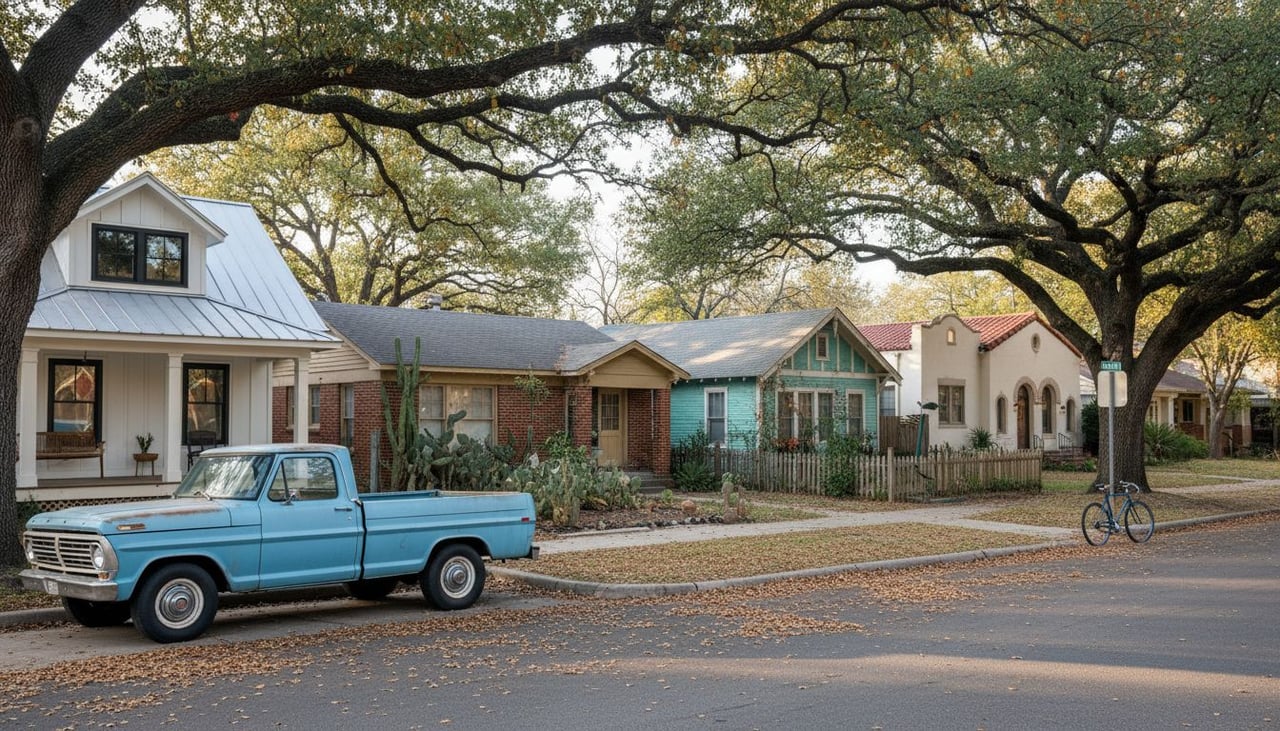
7 Types of Austin Home Styles for Smart Buyers
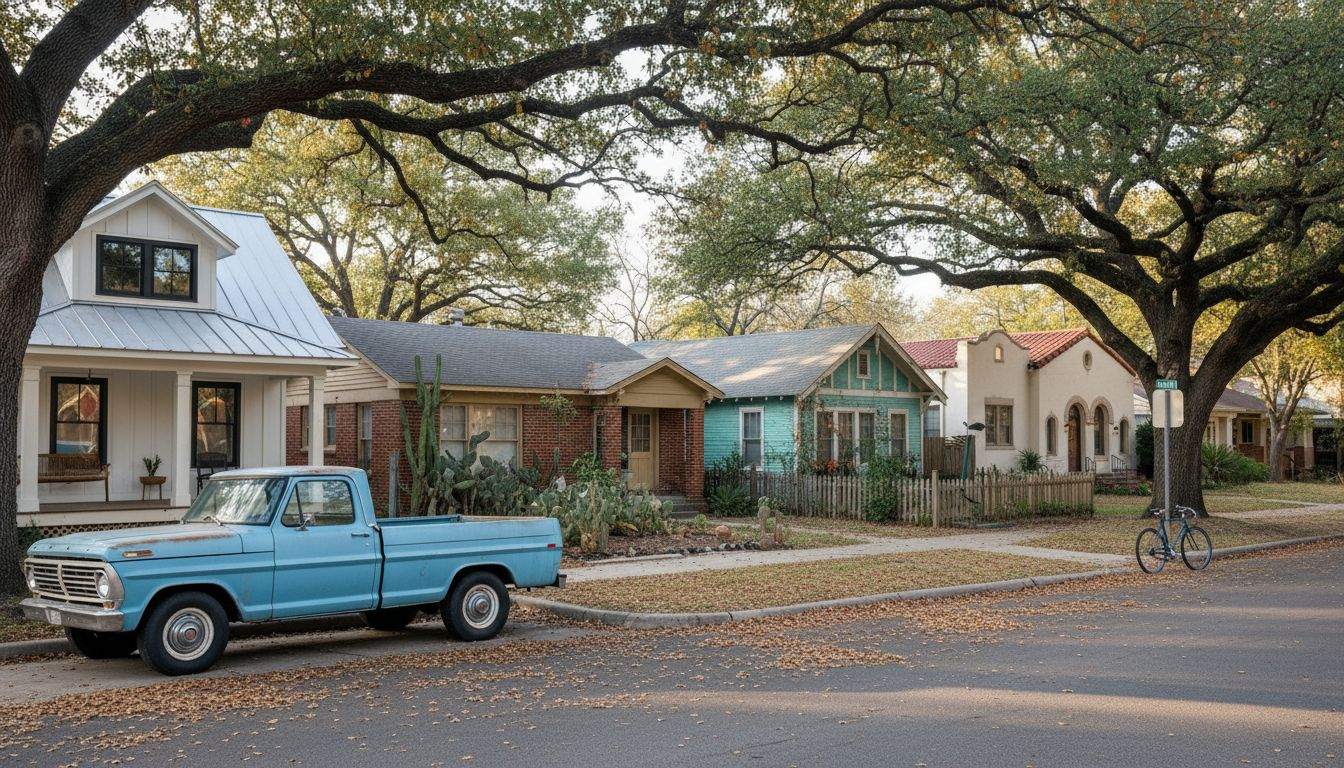
Choosing the perfect home in Austin can feel overwhelming when you face a wide range of architectural styles. Whether you appreciate the cozy charm of a Craftsman bungalow, the timeless lines of a Texas Ranch house, or the sleek appeal of contemporary downtown living, knowing what sets each style apart can save you costly mistakes and wasted time.
This guide gives you clear, actionable insights to help you confidently identify the most popular Austin home styles and the unique benefits each one offers for smart buyers. You will uncover key features, historic influences, and design trends that match your lifestyle and investment goals.
Get ready to discover the qualities that make Austin homes truly special, along with tips for spotting authentic details and choosing a style that feels right for you.
Table of Contents
- 1. Understanding Modern Farmhouse Appeal in Austin
- 2. Exploring Classic Texas Ranch Style Homes
- 3. Embracing Contemporary Architecture in Downtown
- 4. Benefits of Historic Craftsman Bungalows
- 5. Identifying Spanish Revival and Mediterranean Features
- 6. Making the Most of Mid-Century Modern Options
- 7. Choosing New Urbanist and Eco-Friendly Designs
Quick Summary
| Takeaway | Explanation |
|---|---|
| 1. Modern Farmhouses Blend Traditional and Modern | These homes honor Texas heritage while integrating contemporary design, appealing to diverse buyers. |
| 2. Ranch Style Offers Practical Benefits | Single-story layout provides easier maintenance and accessibility, ideal for family living. |
| 3. Contemporary Homes Encourage Urban Integration | Downtown properties focus on functionality and smart design that promotes community interaction. |
| 4. Craftsman Bungalows Showcase Artisan Quality | Historic charm and energy-efficient features create sustainable living environments with modern comforts. |
| 5. Eco-Friendly Designs Ensure Sustainable Living | New Urbanist homes prioritize environmental responsibility and community connectivity through innovative architecture. |
1. Understanding Modern Farmhouse Appeal in Austin
The modern farmhouse style has become a defining architectural trend in Austin, blending rustic charm with contemporary design sensibilities. This unique home style captures the essence of Texas heritage while offering sleek, functional living spaces that appeal to discerning homebuyers.
Modern farmhouse architecture in Austin represents more than just an aesthetic choice - it’s a cultural statement that honors the city’s agricultural roots while embracing 21st-century design principles. These homes typically feature:
- Clean white exteriors with black metal accents
- Expansive windows that create seamless indoor-outdoor connections
- Open floor plans with high ceilings
- Natural wood elements that provide warmth and texture
- Minimalist yet functional design approaches
The Historic Preservation Office in Austin actively supports the conservation of architectural styles like modern farmhouses, recognizing their significant cultural value. This preservation effort ensures that these homes remain an integral part of Austin’s architectural landscape.
Buyers are drawn to modern farmhouses for their versatility and timeless appeal. These homes offer a perfect blend of nostalgia and innovation, providing spacious living environments that feel both familiar and cutting-edge. The architectural style works exceptionally well in Austin’s diverse neighborhoods, from urban settings to more expansive suburban landscapes.
Modern farmhouse design proves that architectural heritage and contemporary living can coexist beautifully.
Practical considerations for potential buyers include understanding how these homes integrate modern technologies while maintaining their classic farmhouse character. Many feature smart home systems, energy-efficient appliances, and sustainable design elements that appeal to environmentally conscious Austin residents.
Pro tip: When exploring modern farmhouse properties, pay close attention to how natural light interacts with the interior spaces and examine the quality of wood and metal details that define this distinctive architectural style.
2. Exploring Classic Texas Ranch Style Homes
Texas Ranch style homes represent a quintessential architectural tradition that captures the spirit of the Lone Star State’s expansive landscape and rich heritage. These distinctive single-story homes blend functionality with regional aesthetic sensibilities, offering homebuyers a unique living experience rooted in Texas history.
Originating from Spanish colonial architectural influences, Ranch style homes feature distinctive characteristics that set them apart from other residential designs:
- Low horizontal profile mimicking the wide Texas terrain
- Open floor plans that promote family connectivity
- Large windows allowing abundant natural light
- Natural material palettes using wood and stone
- Seamless indoor-outdoor living spaces
Contemporary Texas architects continue to interpret the ranch house archetype, incorporating local materials and design elements that honor the state’s architectural legacy. These homes balance rugged durability with intimate, comfortable living environments.
Ranch style homes are not just houses - they are living embodiments of Texas cultural heritage.
Buyers interested in Ranch style homes should understand their unique structural and aesthetic attributes. The single-story design offers practical advantages like easier maintenance and accessibility, while the expansive layout provides ample space for modern family living.
The architectural style’s popularity stems from its ability to integrate seamlessly with the natural landscape, creating homes that feel both timeless and contemporary. Buyers can expect spacious rooms, minimal interior barriers, and design elements that reflect the openness of Texas ranch life.
Pro tip: When evaluating a Ranch style home, pay special attention to the quality of natural materials and how the design connects interior spaces with the surrounding environment.
3. Embracing Contemporary Architecture in Downtown
Downtown Austin represents a vibrant canvas of architectural innovation where contemporary design meets urban sophistication. The city’s downtown landscape showcases cutting-edge architectural approaches that redefine urban living for smart, discerning buyers.
Contemporary architecture in downtown Austin is characterized by distinctive features that prioritize functionality, aesthetic appeal, and seamless urban integration:
- Clean geometric lines and minimalist profiles
- Extensive use of glass and steel
Open floor plans that maximize natural light
- Sustainable design elements
- Integration of indoor and outdoor living spaces
AIA Austin promotes architectural excellence by championing designs that reflect modern urban lifestyles. Contemporary homes in this area prioritize sustainability, community engagement, and innovative aesthetic principles.
Contemporary architecture transforms living spaces from mere shelters into dynamic, interactive environments.
Buyers attracted to downtown contemporary homes appreciate strategic design approaches that blend form and function. These residences offer more than aesthetic appeal - they provide intelligent living solutions that adapt to residents’ evolving needs.
The downtown architectural landscape represents a bold departure from traditional residential designs. Innovative materials and smart technological integrations distinguish these properties, offering residents cutting-edge living experiences that reflect Austin’s progressive spirit.
Pro tip: When exploring contemporary downtown properties, evaluate how architectural design facilitates lifestyle functionality and creates meaningful connections between interior spaces and the urban environment.
4. Benefits of Historic Craftsman Bungalows
Craftsman bungalows represent a cherished architectural style that combines historical charm with practical living solutions for discerning Austin homebuyers. These homes offer a unique blend of craftsmanship, aesthetic appeal, and functional design that continues to captivate modern residents.
Historic preservation experts recognize these homes as significant cultural resources that provide sustainable living environments. Craftsman bungalows deliver exceptional value through their distinctive architectural features:
- Hand-crafted woodwork and intricate details
- Low-pitched gable roofs with exposed rafters
- Expansive front porches that encourage community interaction
- Natural material selections prioritizing durability
- Energy-efficient design principles
The architectural style emphasizes quality over quantity, creating living spaces that feel both intimate and purposeful. Craftsman bungalows showcase exceptional attention to detail, with every element carefully considered to maximize both aesthetic and functional value.
Craftsman bungalows are not just homes - they are living artifacts of architectural excellence.
Buyers interested in these properties benefit from homes that combine historical integrity with modern livability. The open floor plans and thoughtful design allow for easy adaptation to contemporary lifestyles while maintaining the home’s original character.
Environmental consciousness is another significant advantage. These homes often utilize sustainable materials and design techniques that reduce energy consumption and support responsible living practices.
Pro tip: When evaluating a Craftsman bungalow, inspect the quality of original woodwork and assess how previous renovations have preserved the home’s historical integrity while meeting modern comfort standards.
5. Identifying Spanish Revival and Mediterranean Features
Spanish Revival and Mediterranean architectural styles represent a captivating fusion of historical elegance and regional charm that has profoundly influenced Austin’s residential landscape. These architectural traditions offer homebuyers a distinctive aesthetic that celebrates warmth, cultural heritage, and sophisticated design principles.
Architectural historians highlight the unique characteristics that define these remarkable home styles:
- Stucco exterior walls in warm earth tones
- Distinctive red terracotta roof tiles
- Arched windows and ornamental doorways
- Intricate wrought iron balconies and details
- Asymmetrical façade designs
- Expansive interior courtyards
The architectural narrative of these styles goes beyond mere visual appeal. They represent a thoughtful approach to design that seamlessly blends indoor and outdoor living spaces, creating environments that feel both intimate and expansive.
Mediterranean-inspired homes are living canvases that tell stories of cultural richness and architectural sophistication.
Buyers drawn to Spanish Revival and Mediterranean homes appreciate their timeless architectural language. These residences offer more than aesthetic beauty - they provide functional living spaces that honor historical design principles while meeting contemporary lifestyle needs.
The style’s emphasis on natural materials and architectural details creates homes that feel simultaneously classic and relevant. Carved stonework, decorative ironwork, and carefully planned landscaping transform these properties into true architectural statements.
Pro tip: When evaluating Spanish Revival or Mediterranean homes, look beyond surface aesthetics and examine how the architectural details create a harmonious flow between interior spaces and the surrounding environment.
6. Making the Most of Mid-Century Modern Options
Mid-Century Modern homes represent a pinnacle of architectural innovation that continues to captivate Austin homebuyers with their timeless design and functional elegance. These distinctive residences offer a perfect blend of historical significance and contemporary living solutions.
Texas preservation experts recognize the architectural importance of these homes, which feature distinctive characteristics such as:
- Clean geometric lines and minimalist profiles
- Large expansive windows connecting interior and exterior spaces
- Flat or low-pitched roofs
- Open floor plans that maximize functional living areas
- Innovative use of materials like glass, steel, and natural wood
The architectural philosophy behind Mid-Century Modern design prioritizes simplicity, functionality, and harmony with the surrounding environment. These homes are not just living spaces but carefully crafted experiences that reflect a sophisticated approach to residential design.
Mid-Century Modern homes transform architectural constraints into opportunities for elegant, purposeful living.
Smart buyers appreciate these properties for their adaptable architectural language. The design principles allow for seamless updates while maintaining the home’s original character, making them excellent long-term investment opportunities.
Unlike trendy architectural styles that quickly become dated, Mid-Century Modern homes offer enduring appeal through their emphasis on timeless design principles and connection to natural surroundings.
Pro tip: When exploring Mid-Century Modern properties, pay special attention to original architectural details and assess how potential renovations can enhance the home’s inherent design integrity without compromising its historical essence.
7. Choosing New Urbanist and Eco-Friendly Designs
New Urbanist and eco-friendly home designs represent the cutting edge of residential architecture in Austin, offering smart buyers innovative living solutions that prioritize sustainability, community, and environmental responsibility. These forward-thinking design approaches transform traditional housing concepts into holistic living experiences.
Energy efficiency experts highlight key characteristics of these progressive residential designs:
- Compact, mixed-use development strategies
- Pedestrian-friendly street layouts
- Energy-efficient construction methods
- Renewable energy system integrations
- Sustainable landscaping approaches
- Superior home insulation techniques
- Passive solar heating designs
The architectural philosophy behind New Urbanist designs emphasizes creating interconnected communities that reduce environmental impact while enhancing social connectivity. These homes are not just living spaces but comprehensive lifestyle solutions.
Eco-friendly homes represent an investment in personal comfort and global sustainability.
Smart buyers appreciate these properties for their comprehensive approach to living. By integrating advanced technologies with thoughtful design principles, these homes offer reduced utility costs, healthier indoor environments, and a meaningful connection to broader environmental goals.
The design approach goes beyond traditional architectural considerations, creating spaces that adapt to residents’ evolving needs while maintaining a commitment to ecological responsibility.
Pro tip: When exploring New Urbanist and eco-friendly properties, examine how design elements work together to create energy efficiency and evaluate the potential long-term financial and environmental benefits.
Below is a comprehensive table summarizing the diverse architectural styles discussed within the article.
Discover Your Perfect Austin Home Style With Expert Guidance
Choosing among Austin’s diverse home styles can feel overwhelming. Whether you are drawn to the timeless charm of Craftsman Bungalows, the sleek lines of Mid-Century Modern, or the sustainable appeal of New Urbanist designs, understanding these architectural nuances is essential to making a confident investment. The challenge lies in aligning your vision for a dream home with the complex real estate market in Austin’s unique neighborhoods.
At Mogavero Group, we specialize in helping smart buyers navigate these architectural choices with precision and care. Founded by Mike Mogavero, our Austin-based team blends a developer’s eye and marketer’s toolkit to elevate your home search through meticulous preparation and design-driven insights. Explore how we bring expertise in neighborhoods like Tarrytown, Westlake, and Downtown Austin to provide you with tailored options that resonate with your lifestyle and goals. Don’t miss the opportunity to work with a team that understands the critical importance of historic details, sustainable design, and modern innovations in your next home. Visit Mogavero Group now and take the first step toward owning a home that captures both your heart and your smart buyer instincts.
Frequently Asked Questions
What are the key features of Modern Farmhouse homes in Austin?
Modern Farmhouse homes in Austin typically feature clean white exteriors, expansive windows, and open floor plans. To explore these homes, focus on how natural light interacts with interior spaces and evaluate the wood and metal details that reflect this style.
How can I identify Classic Texas Ranch style homes?
Classic Texas Ranch style homes are characterized by a low horizontal profile, open floor plans, and large windows. Look for homes that utilize natural materials like wood and stone and ensure they connect with the surrounding landscape for an authentic feel.
What should I consider when evaluating Contemporary architecture in downtown Austin?
When evaluating Contemporary architecture, prioritize the functionality and aesthetic appeal of the designs, including the use of glass and steel. Focus on how the layout maximizes natural light and creates meaningful indoor-outdoor living spaces.
What makes Craftsman Bungalows valuable for homebuyers?
Craftsman Bungalows are valued for their hand-crafted woodwork, energy-efficient design, and inviting front porches. When considering these homes, inspect the quality of original wood details and assess how renovations have preserved their historical integrity.
How can I differentiate between Spanish Revival and Mediterranean style homes?
To differentiate between Spanish Revival and Mediterranean style homes, look for features like stucco exteriors, red terracotta roofs, and arched windows. Assess how the architectural details enhance the indoor-outdoor living experience and overall aesthetic harmony.
What are the benefits of choosing Mid-Century Modern homes in Austin?
Mid-Century Modern homes offer timeless design, clean geometric lines, and an emphasis on natural surroundings. When looking at these properties, pay attention to original architectural features and consider potential renovations that maintain their character while improving functionality.