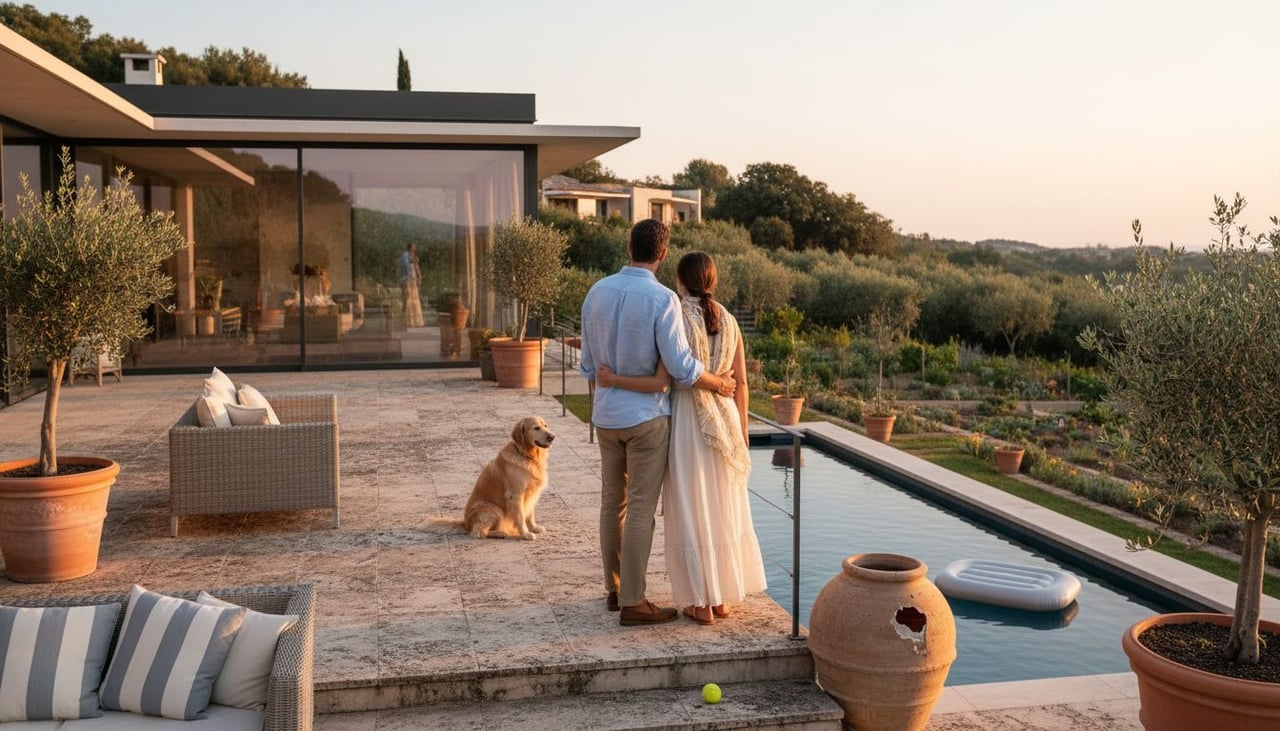
What Is Luxury Real Estate and Why It Matters
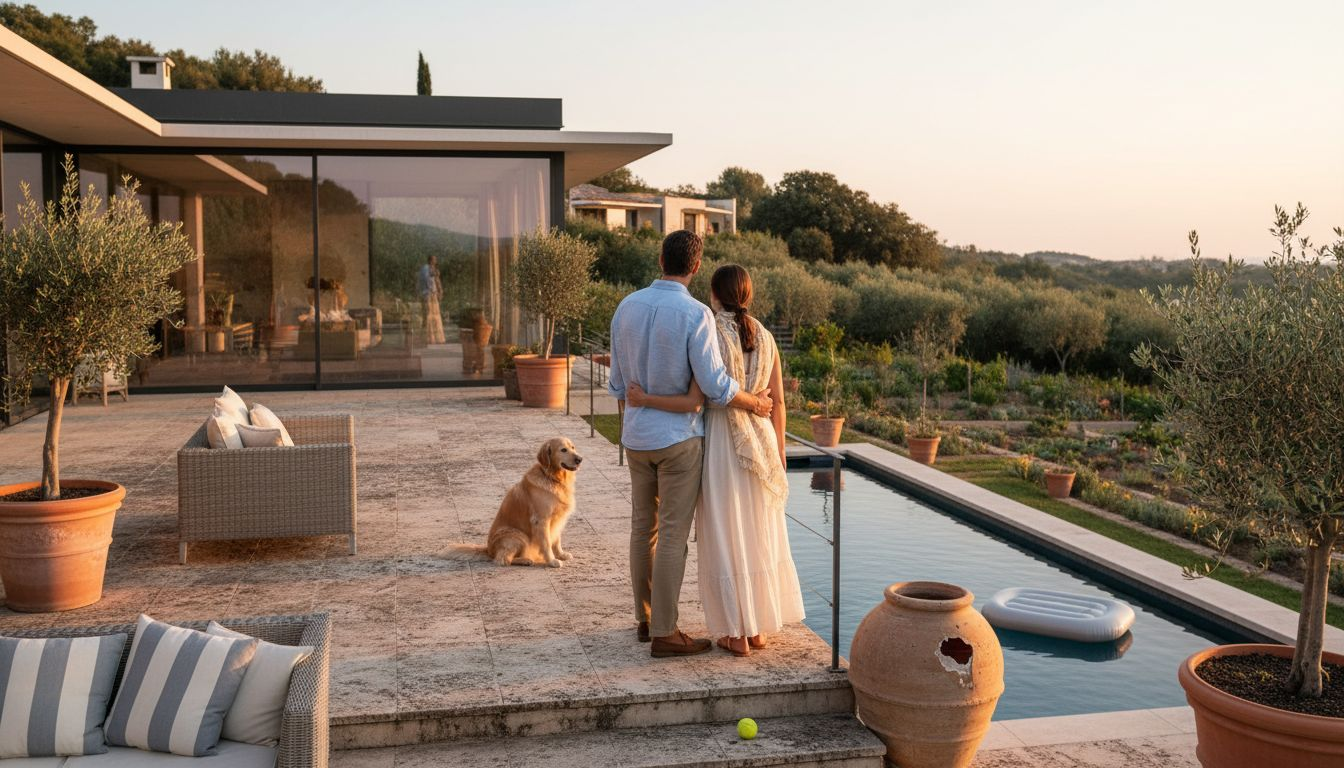
Relocating to Austin brings a new set of questions for those accustomed to refined living in New York, Los Angeles, or San Francisco. Austin’s luxury real estate market now stands at the intersection of cutting-edge technology, sustainable design, and individualized experience, setting it apart from traditional metropolitan options. For discerning buyers, understanding the hallmarks of modern luxury real estate and the nuances of Austin’s exclusive neighborhoods provides a clear advantage in finding a home that reflects both aspiration and sophisticated taste.
Table of Contents
- Defining Luxury Real Estate In Modern Markets
- Types Of Luxury Properties And Their Differentiators
- Signature Features Of High-End Residences
- Pricing, Valuation, And Market Trends
- Critical Risks And Investment Considerations
- Austin’s Luxury Market Dynamics And Feeder Trends
Key Takeaways
| Point | Details |
|---|---|
| Evolving Definition of Luxury | Luxury real estate now prioritizes intelligent design, technological integration, and personalized experiences over mere size and opulence. |
| Lifestyle-Centric Properties | High-net-worth buyers seek properties that provide comprehensive lifestyle enhancements, emphasizing wellness and sustainability. |
| Strategic Investment Considerations | Successful luxury investments require an understanding of market dynamics, location-specific factors, and emerging demographic trends. |
| Austin’s Market Opportunities | Austin’s luxury real estate market is benefiting from demographic shifts and tech sector growth, attracting affluent buyers seeking exceptional living environments. |
Defining Luxury Real Estate in Modern Markets
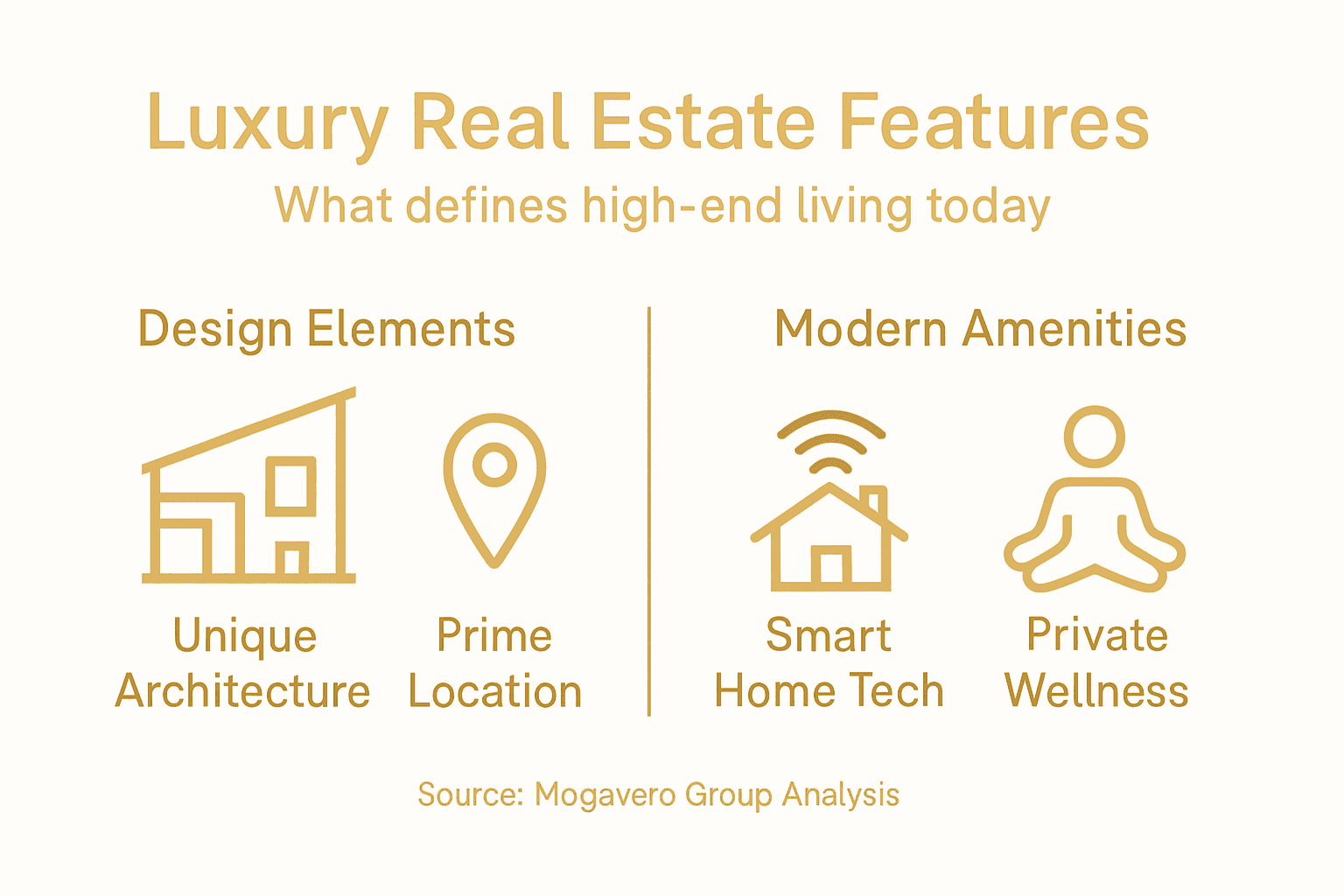
Luxury real estate represents more than just expensive property. It embodies a lifestyle of exclusivity, design excellence, and personalized experience that transcends traditional housing market definitions. Global market trends indicate that modern luxury real estate is evolving beyond mere square footage and opulent finishes.
Today’s luxury real estate market is characterized by several distinctive features:
- Emphasis on unique architectural design
- Integration of smart home technologies
- Focus on sustainability and environmental consciousness
- Location-specific prestige and neighborhood positioning
- Personalized amenities that reflect individual lifestyle preferences
The definition of luxury has fundamentally transformed. Where traditional luxury once meant massive square footage and ornate details, contemporary high-end buyers now prioritize intelligent design, technological integration, and experiential living spaces. Generational wealth transfers and changing consumer demographics are reshaping market expectations, with millennials and Gen Z seeking properties that reflect individual identity and offer exceptional functionality.
Advanced technology integration and sustainable features have become critical differentiators in luxury real estate. Smart home systems, energy-efficient designs, and eco-friendly materials are no longer optional – they’re expected. These elements represent a sophisticated approach to living that goes far beyond aesthetic appeal.
Luxury real estate is not just about acquiring property; it’s about curating a lifestyle that reflects personal aspiration and technological sophistication.
Pro Tip: When exploring luxury real estate, focus on properties that offer holistic living experiences rather than just impressive architectural features.
Types of Luxury Properties and Their Differentiators
Luxury real estate encompasses a diverse range of property types, each offering unique characteristics and lifestyle experiences. International luxury markets reveal significant variations in property types based on geographic location, cultural preferences, and investor expectations.
Luxury properties can be broadly categorized into several distinctive types:
- Primary Luxury Residences
- Expansive single-family estates
- High-rise penthouses with panoramic views
- Custom-designed architectural masterpieces
- Investment-Oriented Properties
- Vacation homes in prime destinations
- International real estate with potential appreciation
- Multi-unit luxury developments
- Specialized Luxury Spaces
- Private islands
- Historic mansions
- Ultra-modern smart homes
The most compelling luxury properties are distinguished by more than just their price tag. Architectural innovation, cutting-edge technology integration, and unique location features transform these properties from mere living spaces into comprehensive lifestyle statements. Contemporary high-net-worth buyers seek properties that offer exceptional design, advanced technological amenities, and personalized living experiences.
Luxury real estate is not about square footage, but about creating a living environment that reflects individual identity and aspirational lifestyle.
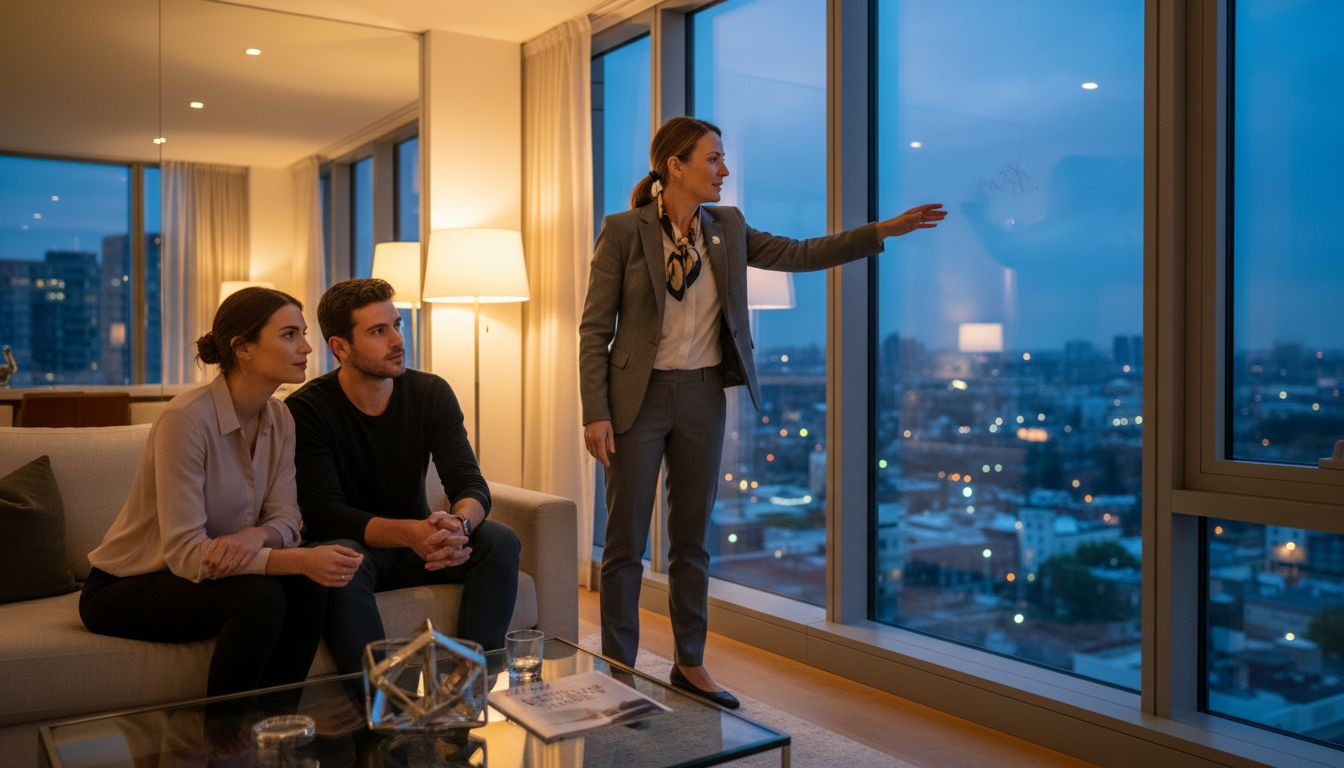
Each luxury property type comes with specific attributes that appeal to different buyer segments. Penthouses attract urban professionals seeking panoramic city views, while private estates appeal to those desiring ultimate privacy and expansive grounds. Waterfront properties offer natural beauty and exclusive access, creating unique value propositions for discerning buyers.
Here’s a quick comparison of major luxury property types by typical buyer profile and experience offered:
| Property Type | Typical Buyer Profile | Key Experience Offered |
|---|---|---|
| Primary Residences | Families, executives | Comfort, prestige, daily living |
| Investment Properties | Global investors, entrepreneurs | Rental income, appreciation |
| Specialized Spaces | Ultra-high-net-worth individuals | Privacy, exclusivity, uniqueness |
| Penthouses | Urban professionals, celebrities | City views, premium amenities |
| Historic Mansions | Heritage buyers, collectors | Legacy, historical value |
Pro Tip: When exploring luxury properties, evaluate the lifestyle potential beyond traditional aesthetic and financial metrics.
Signature Features of High-End Residences
Luxury residences transcend traditional housing by offering extraordinary living experiences that blend architectural brilliance with technological sophistication. High-end homes showcase masterful design through carefully curated features that distinguish them from standard properties.
Signature features of luxury residences typically include:
- Architectural Elements
- Custom-designed structural configurations
- Floor-to-ceiling windows with panoramic views
- Unique material selections
- Technological Integration
- Advanced home automation systems
- Intelligent security infrastructure
- Seamless smart home connectivity
- Wellness and Lifestyle Amenities
- Private spa and fitness spaces
- Indoor-outdoor living environments
- Dedicated meditation and relaxation zones
The most exceptional high-end residences prioritize personalized living experiences that reflect individual lifestyle preferences. Contemporary luxury homes are engineered to provide unparalleled comfort, featuring cutting-edge technologies that seamlessly integrate work, leisure, and personal wellness into a holistic living environment.
Luxury is no longer about opulence, but about creating intelligent spaces that adapt to human needs and aspirations.
Technological innovation plays a crucial role in defining modern luxury residences. Smart home systems now offer unprecedented levels of customization, allowing residents to control lighting, temperature, security, and entertainment through intuitive interfaces. These advanced features transform living spaces from static environments into dynamic, responsive ecosystems.
Below is a summary of advanced technology features and their impact on luxury residences:
| Technology Feature | Benefit to Residents | Market Impact |
|---|---|---|
| Smart Home Automation | Personalized control, convenience | Higher buyer demand |
| Intelligent Security | Enhanced safety, remote monitoring | Increased property value |
| Eco-Friendly Systems | Lower costs, healthier living | Greater market differentiation |
| Smart Wellness Spaces | Improved well-being, daily comfort | Competitive selling point |
Pro Tip: Evaluate luxury properties based on their ability to enhance your lifestyle, not just their aesthetic appeal.
Pricing, Valuation, and Market Trends
The luxury real estate market continues to evolve, presenting sophisticated investors with nuanced opportunities and strategic considerations. Luxury market trends reveal complex pricing dynamics that extend far beyond traditional valuation models.
Key factors influencing luxury real estate pricing include:
- Economic Indicators
- Global economic stability
- Interest rate fluctuations
- High-net-worth individual wealth patterns
- Location-Specific Variables
- Neighborhood prestige
- Infrastructure development
- Local market demand
- Property-Specific Characteristics
- Architectural uniqueness
- Technological amenities
- Sustainability features
Pricing strategies in luxury real estate have shifted dramatically, moving from hyper-competitive bidding wars to more calculated, strategic transactions. Contemporary buyers demonstrate increased sophistication, prioritizing long-term value and lifestyle compatibility over immediate visual appeal.
The true value of luxury real estate transcends monetary worth, representing an investment in personal experience and potential future appreciation.
Investors and high-net-worth individuals now approach luxury property acquisitions with unprecedented analytical rigor. Market trends indicate a preference for well-priced properties in prestigious locations, with renewed emphasis on sustainable design, technological integration, and potential for appreciation.
Pro Tip: Evaluate luxury real estate investments through a holistic lens, considering lifestyle potential alongside financial metrics.
Critical Risks and Investment Considerations
Luxury real estate investments demand sophisticated risk management strategies that extend far beyond traditional financial planning. Navigating complex investment landscapes requires comprehensive understanding of multifaceted risk factors and strategic mitigation approaches.
Key risk categories for luxury real estate investors include:
- Market Volatility Risks
- Economic cycle fluctuations
- Global wealth redistribution
- Geopolitical uncertainty impacts
- Regulatory Risks
- International property ownership restrictions
- Tax law complexities
- Zoning and development regulations
- Location-Specific Challenges
- Regional economic stability
- Infrastructure development potential
- Environmental sustainability concerns
Strategic diversification becomes paramount when managing luxury real estate investments. Sophisticated investors recognize that successful portfolio management requires nuanced understanding of local market dynamics, potential appreciation trajectories, and emerging demographic trends.
Effective luxury real estate investment transcends traditional financial metrics, demanding holistic evaluation of geopolitical, economic, and cultural landscapes.
Understanding international investment complexities is crucial. Emerging markets present unique opportunities alongside significant risks, requiring deep local market knowledge, robust legal frameworks, and strategic partnerships with expert local representatives who understand cultural and regulatory nuances.
Pro Tip: Conduct extensive due diligence and engage local expert networks before committing to international luxury real estate investments.
Austin’s Luxury Market Dynamics and Feeder Trends
Austin’s luxury real estate market represents a dynamic ecosystem of growth, innovation, and strategic opportunity. Robust market expansion signals significant momentum driven by technology sector growth and lifestyle appeal.
Key characteristics of Austin’s luxury market include:
- Demographic Transformation
- Tech professionals relocating from California
- High-net-worth individuals seeking lifestyle flexibility
- Remote work acceleration driving migration
- Geographic Feeder Markets
- San Francisco Bay Area
- New York metropolitan region
- Los Angeles technology corridors
- Economic Drivers
- Technology industry headquarters
- Startup ecosystem momentum
- Favorable business environment
Strategic migration patterns are fundamentally reshaping Austin’s luxury real estate landscape. Affluent professionals from technology hubs are attracted by Texas’s business-friendly environment, no state income tax, and Austin’s unique cultural ecosystem.
Austin’s luxury market represents more than a real estate trend – it’s a lifestyle transformation platform for discerning professionals.
The city’s ability to attract high-caliber talent from traditional metropolitan centers creates a unique investment opportunity. Neighborhoods like Westlake, Tarrytown, and Spanish Oaks have become magnets for sophisticated buyers seeking exceptional living environments that blend natural beauty with cutting-edge amenities.
Pro Tip: Monitor technology sector employment trends as leading indicators for luxury real estate market potential.
Discover How Expert Guidance Elevates Your Luxury Real Estate Journey
Navigating the evolving landscape of luxury real estate requires more than just knowledge about architectural brilliance and smart technology integration. The article highlights how today’s luxury buyers seek personalized lifestyle experiences and sophisticated market strategies. If you are looking to invest or sell in highly sought-after Austin neighborhoods like Westlake or Tarrytown, overcoming challenges such as identifying unique design features, assessing sustainable amenities, and connecting with the right feeder markets is crucial.
At Mogavero Group, we specialize in translating these complex market trends into clear, actionable strategies that match your unique aspirations. Founded by Mike Mogavero, our design-driven team combines meticulous preparation with data-backed marketing to position your home or investment exactly where discerning buyers are looking. Visit https://mmogavero.com to learn how our white-glove guidance and trusted referral network can transform your luxury real estate experience today. Take the first step toward securing your ideal lifestyle or maximizing your property value with our expert support.
Frequently Asked Questions
What defines luxury real estate today?
Luxury real estate is defined by unique architectural design, smart home technologies, sustainability features, location-specific prestige, and personalized amenities that enhance lifestyle.
Why is technology integration important in luxury real estate?
Technology integration in luxury real estate enhances living experiences through smart home systems, energy-efficient designs, and advanced security features, providing convenience and sophistication.
How has the luxury real estate market evolved in recent years?
The luxury real estate market has evolved from focusing on size and opulence to prioritizing intelligent design, sustainability, and personalized living spaces, influenced by changing consumer demographics and preferences.
What are the different types of luxury properties?
Luxury properties can be categorized into primary luxury residences, investment-oriented properties, and specialized luxury spaces, each appealing to different buyer profiles and offering unique experiences.