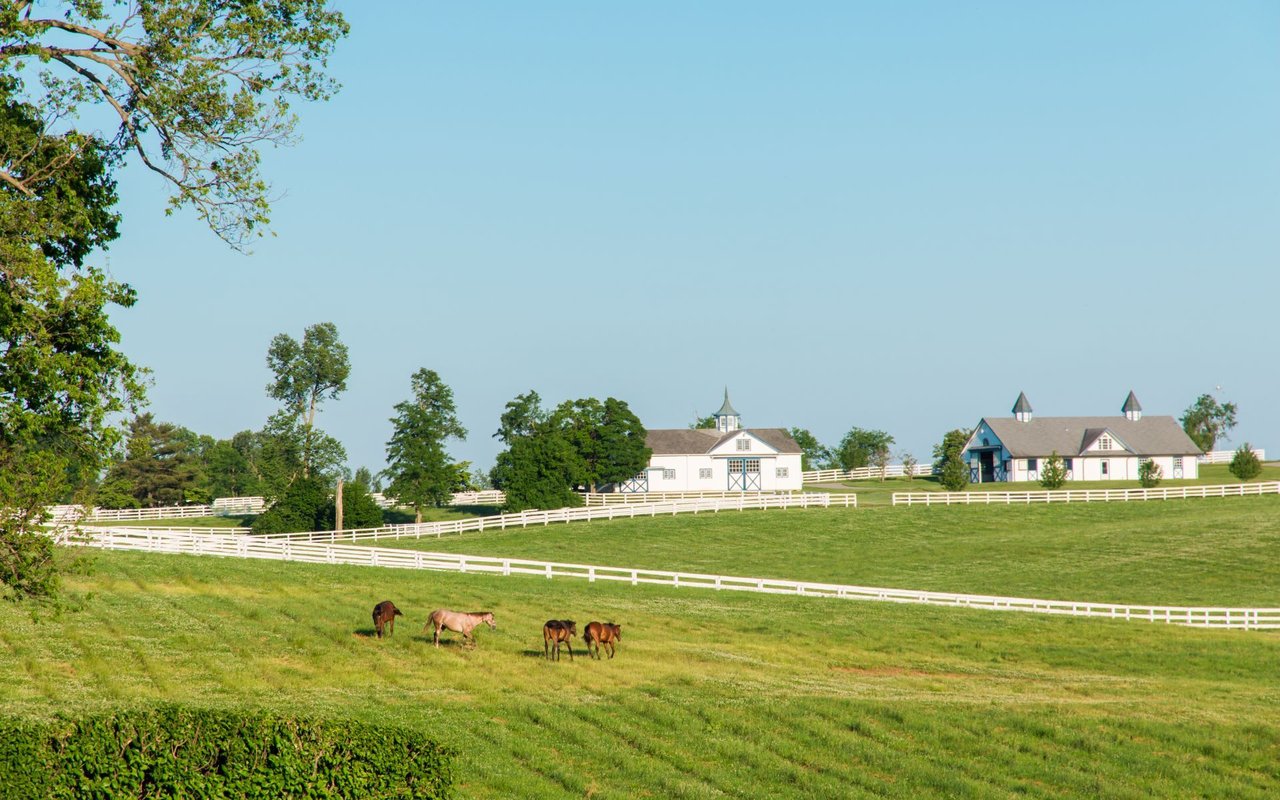
Ranch and Equestrian Property in Austin – What High Net Worth Buyers Need to Know
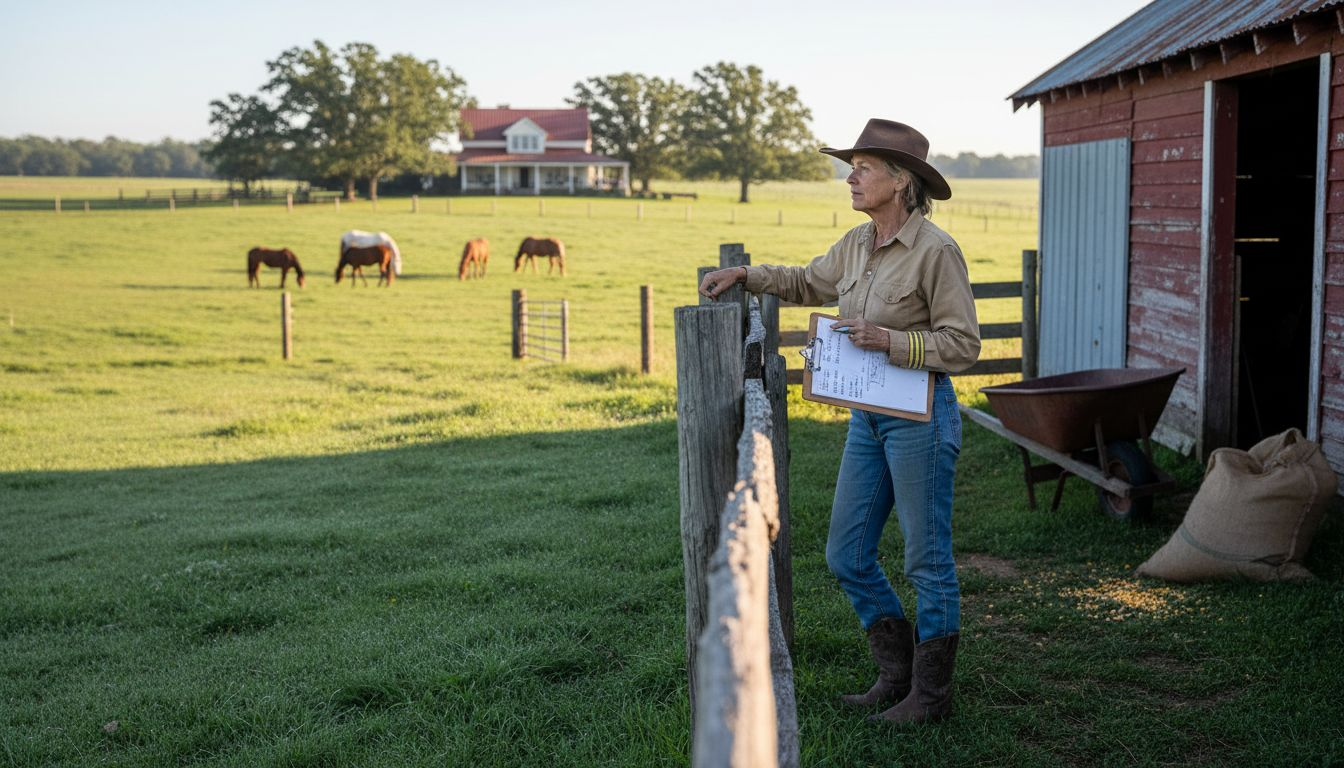
Choosing the right ranch or equestrian property in Greater Austin is rarely a simple decision for discerning investors and families seeking both exclusivity and operational excellence. The distinction between residential real estate and functional ranch properties goes beyond lifestyle—it impacts zoning, infrastructure, and financial planning. This introduction clarifies what sets Austin’s premier ranch and equestrian listings apart, highlighting essential features, legal requirements, and investment strategies that drive long-term value and personal satisfaction.
Table of Contents
- Defining Austin Ranch and Equestrian Property
- Types of Properties and Key Features
- Legal, Zoning, and Ownership Considerations
- Costs, Taxes, and Financial Responsibilities
- Common Pitfalls and Expert Purchase Strategies
Key Takeaways
| Point | Details |
|---|---|
| Ranch and Equestrian Properties Defined | Understand the distinct characteristics of these properties, focusing on operational capacity, zoning, and specialized infrastructure. |
| Importance of Zoning | Verify zoning classifications and usage permissions before purchase to avoid costly future issues and ensure property functionality. |
| Financial Considerations | Be aware of both fixed and variable costs associated with ownership, including potential hidden expenses that could arise post-acquisition. |
| Strategic Acquisition Process | Develop a disciplined approach to property selection, involving thorough research and inspections to minimize risks during negotiation and purchase. |
Defining Austin Ranch and Equestrian Property
Austin’s ranch and equestrian properties blend lifestyle, investment, and recreation in ways that differ significantly from typical residential real estate. Understanding what distinguishes these properties is critical before you commit capital.
At their core, ranch properties are residential settlements with agricultural and livestock uses, often designed around horses, cattle, or other livestock operations. These aren’t hobby farms—they’re functional properties with professional-grade infrastructure.
What Makes a Property “Ranch or Equestrian”
Equestrian properties specifically emphasize horse-related facilities and operations. Think barns, paddocks, arenas, and pasture management systems designed for boarding, breeding, training, or personal use.
Key distinguishing features include:
- Acreage requirements: Typically 5+ acres minimum; most quality Austin-area properties start at 10-20 acres
- Specialized structures: Barns, stables, covered arenas, round pens, tack rooms
- Land conditioning: Professional-grade fencing, drainage systems, pasture rotation areas
- Utility infrastructure: Reliable water systems, power for arena lighting and barn operations
- Zoning alignment: Properties zoned for agricultural or equestrian use (not standard residential)
These properties blend rural functionality with modern recreation purposes. You’re not just buying land—you’re acquiring operational capability.
The Austin Market Reality
Austin’s explosive growth has changed what “ranch property” means here. Properties attracting luxury buyers often sit just outside the urban core, offering country living with city proximity.
Many high net worth buyers seek properties that offer:
- Privacy and acreage within 20-30 minutes of downtown
- Operational capacity for serious equestrian pursuits
- Investment potential as Austin expands outward
- Flexibility for residential, equestrian, or mixed-use development
Austin ranch properties differ fundamentally from rural ranches elsewhere—they’re hybrid assets combining lifestyle amenities with land value in a rapidly appreciating market.
The term has evolved significantly from its origins in Spanish livestock farming traditions. Modern Austin equestrian properties often feature resort-quality amenities alongside functional barns and pastures.
Why Definition Matters for Your Investment
Getting this definition right protects your purchase. A property marketed as “ranch-ready” might lack proper zoning, water rights, or structural integrity for actual equestrian operations.
Differentiation shapes:
- Financing approval (lenders view agricultural properties differently)
- Property tax classifications (can significantly impact costs)
- Resale market (operational capacity attracts premium buyers)
- Development potential (zoning determines future use)
- Insurance requirements (equestrian liability differs from residential)
Pro tip: Have your acquisition team verify zoning classification, water rights, and operational permits before making an offer—these determine whether a property truly functions as advertised.
Types of Properties and Key Features
Austin’s ranch and equestrian properties fall into distinct categories, each with specific infrastructure demands. Knowing which type matches your goals prevents costly mistakes during acquisition.
Operational Ranches
Operational ranches focus on active livestock management, breeding, or boarding operations. These properties generate revenue through horses, cattle, or mixed livestock enterprises.
They typically include:
- Professional-grade barns with stall systems
- Pasture rotation areas and grazing management infrastructure
- Equipment storage and maintenance facilities
- Water systems designed for herd operations
- Access roads supporting daily operational traffic
These aren’t lifestyle purchases—they’re working assets requiring daily management, veterinary support, and operational expertise.
Equestrian Lifestyle Properties
These properties prioritize recreational riding, training, and personal horse enjoyment. They blend residential comfort with functional equestrian facilities.
Common features include:
- Indoor or covered riding arenas (essential in Texas weather)
- Trail systems across the property
- Smaller barn facilities (4-8 stalls)
- Paddocks and turnout areas
- High-end residential homes with resort-quality finishes
These attract buyers seeking premium living alongside serious horse pursuits, not commercial operations.
Here’s a quick comparison of Operational Ranches versus Equestrian Lifestyle Properties in Austin:
| Aspect | Operational Ranch | Equestrian Lifestyle Property |
|---|---|---|
| Main Purpose | Livestock/business operations | Recreational riding and living |
| Typical Buyer | Investor or rancher | Equestrian enthusiast, family |
| Key Structures | Large barns, grazing systems | Smaller barns, arenas, trails |
| Revenue Potential | Often generates income | Usually not income-focused |
| Facility Size | Large-scale, commercial grade | Moderate, residential quality |
Essential Infrastructure Components
Regardless of property type, equestrian facilities require stable design, arena layout, and trail connectivity standards. You’ll encounter non-negotiable requirements across all quality properties.
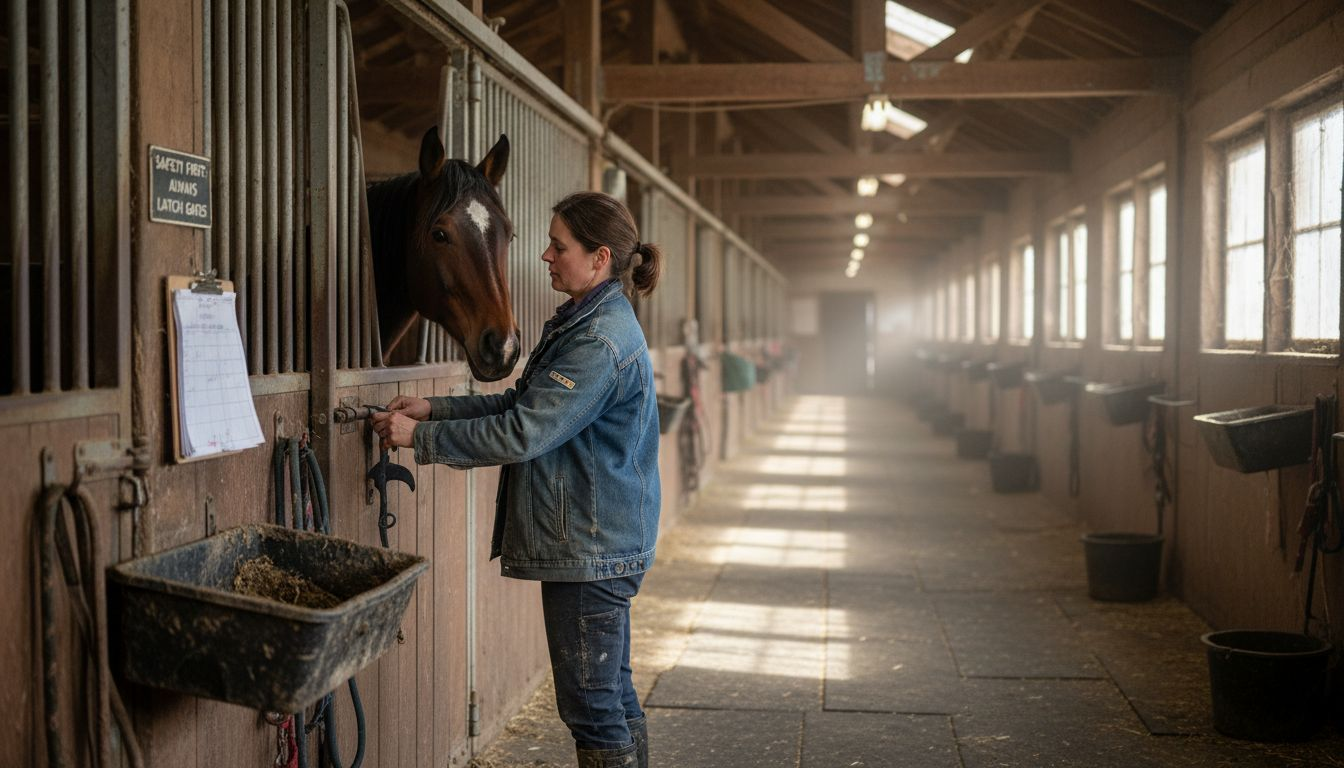
Barns and stalls must provide adequate ventilation, drainage, and safety. Poor design creates ongoing veterinary and maintenance costs.
Arenas need proper footing, drainage, and lighting for year-round use. Texas heat and humidity demand specialized surface materials.
Fencing serves containment and safety purposes. Fencing that supports horse containment while maintaining visibility and ventilation prevents stress and injury.
Water systems must be reliable and abundant. Horses consume 25-50 gallons daily; inadequate water means constant hauling or expensive well drilling.
Properties lacking proper water access, fencing, or arena footing represent hidden renovation costs that can exceed six figures in Austin’s market.
Location Type Matters
Austin properties range from rural hillcountry settings to properties minutes from downtown. Location determines property character, appreciation potential, and operational viability.
Consider proximity to:
- Veterinary services and equine hospitals
- Feed suppliers and equestrian retailers
- Training facilities and riding communities
- Your primary residence or business
- Future development pressure (affects long-term value)
Pro tip: Before touring any property, request maintenance records, barn inspections, and water system documentation—these reveal what the previous owner actually invested in operational quality.
Legal, Zoning, and Ownership Considerations
Zoning and land-use restrictions determine whether your property can legally support the operations you’re planning. This isn’t bureaucratic formality—it’s the foundation of your investment’s viability.
Austin’s jurisdictional complexity creates layers of oversight. Properties may fall under city zoning, county regulations, or both depending on their location relative to city limits and extraterritorial jurisdictions.
Understanding Zoning Classifications
Zoning is a legal process dividing land into districts that restrict uses and define permissible activities based on categories like residential, agricultural, or mixed-use. For equestrian properties, zoning directly impacts what structures you can build and how you operate.
Typical zoning constraints include:
- Barn size limitations: Maximum square footage for agricultural structures
- Stall restrictions: Number of horses or livestock permitted per acre
- Arena regulations: Whether indoor arenas are permitted; setback requirements
- Accessory structure rules: Limits on tack rooms, equipment storage, or guest facilities
- Activity restrictions: Boarding operations, breeding programs, or training activities may require special permits
A property zoned “agricultural” doesn’t automatically mean you can build a 12-stall barn with an indoor arena. Permitted uses vary significantly.
Municipal vs. Extraterritorial Jurisdiction
Austin’s growth means many rural properties fall within the city’s extraterritorial jurisdiction—unincorporated land where Austin enforces zoning rules despite the property being outside city limits.
This matters because:
- Extraterritorial properties follow Austin’s zoning code, not just county rules
- Future annexation risk affects long-term property value and operational flexibility
- Development pressure increases as the city expands toward your property
Land-use regulations in Texas affect ranch properties through municipal zoning laws, which regulate permitted uses, building size, and accessory structures. Understanding city limits and jurisdictional boundaries prevents costly surprises.
What You Must Verify Before Purchasing
Zoning violations discovered after purchase can cost six figures to resolve and may prevent your intended use entirely.
Before submitting an offer, your acquisition team must confirm:
- Current zoning classification and permitted equestrian uses
- Specific restrictions on barn size, height, and setbacks
- Horse stall or livestock limits per acre
- Arena or riding facility regulations
- Whether previous structures were grandfathered or compliant
- Extraterritorial jurisdiction status and annexation timeline
Variances and special use permits exist but require time, expense, and neighbor approval. Don’t assume you can modify zoning through variance requests.
Deed Restrictions and Covenants
Beyond municipal zoning, private deed restrictions may limit equestrian use. Some subdivisions restrict or prohibit livestock, commercial operations, or specific structures.
Review the full property deed and any homeowners association documents before committing capital.
Pro tip: Hire a real estate attorney familiar with Travis County equestrian properties to review zoning and deed restrictions before making an offer—this protects you from inheriting legal compliance issues.
Costs, Taxes, and Financial Responsibilities
Ranch and equestrian properties carry financial obligations that extend far beyond the purchase price. Understanding these costs separates realistic investors from those facing unexpected expenses.
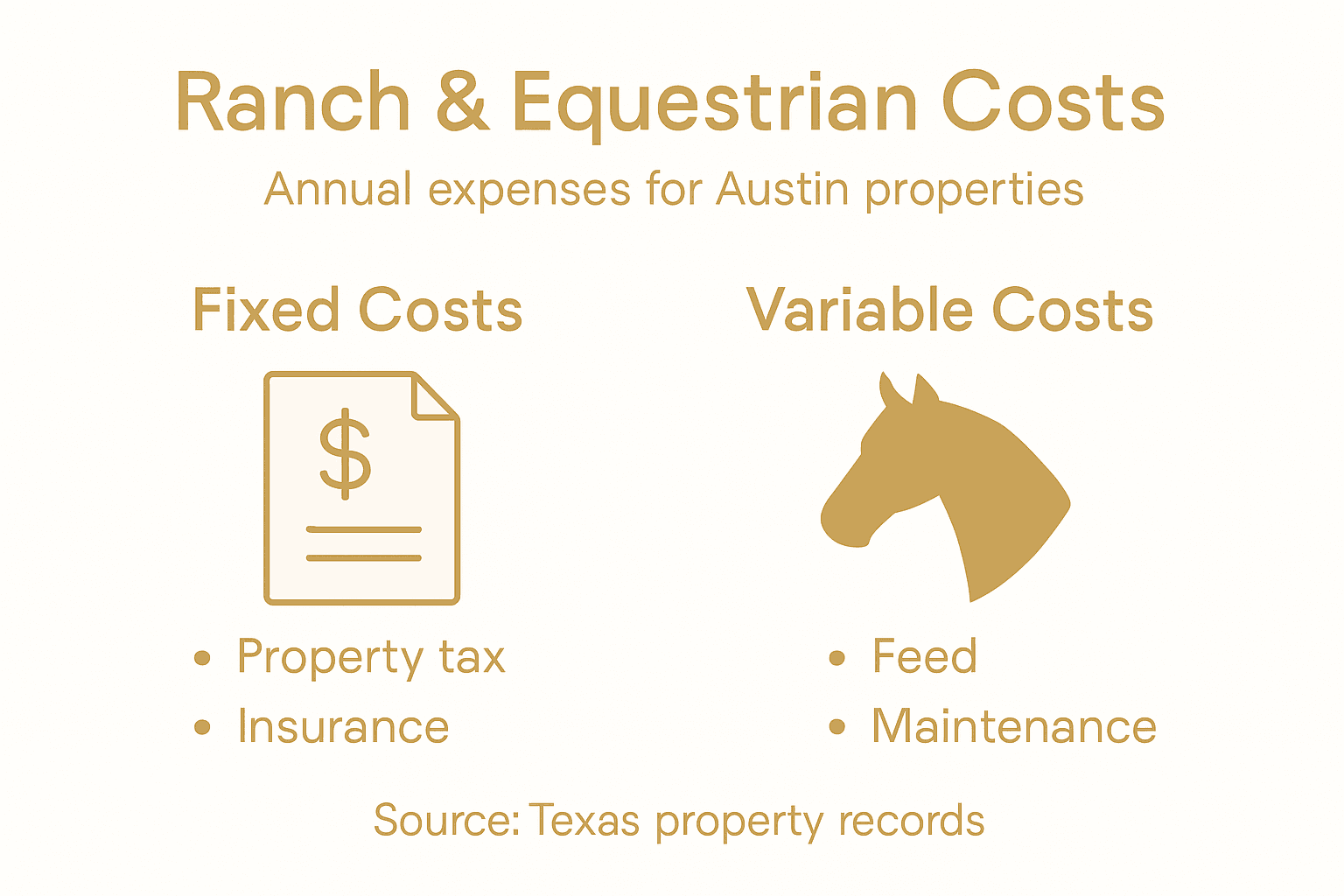
Most high net worth buyers underestimate ongoing operational costs. A property generating $50,000 annually in boarding revenue can easily require $70,000 in annual expenses if you’re not tracking carefully.
Fixed Costs You’ll Always Pay
Operating a ranch involves fixed costs such as land ownership, machinery depreciation, insurance, and taxes that persist regardless of operational activity. These costs exist whether your property generates revenue or sits idle.
Fixed annual expenses typically include:
- Property taxes: Often $3,000-$8,000+ annually depending on location and acreage
- Insurance: Equestrian liability coverage, barn insurance, and equipment coverage
- Maintenance: Barn repairs, roof replacement, fence upkeep
- Utilities: Electric, water, well maintenance if applicable
- Land management: Pasture maintenance, drainage systems, access road upkeep
These don’t fluctuate with your operational decisions—they’re obligations you carry regardless.
Variable Operating Costs
Variable costs depend entirely on how you use the property. A boarding operation has different expenses than a personal riding property.
Common variable costs include:
- Feed and hay: $2,000-$4,000 per horse annually
- Veterinary care: Routine care plus emergency reserves
- Farrier services: Hoof trimming and shoeing
- Labor: Staff for daily operations and maintenance
- Supplies: Bedding, tack, equipment replacement
Property Tax Complexity in Texas
Property taxes in Texas are determined locally and fund services like schools, roads, and emergency services. No state property tax exists, but local rates vary significantly by county and jurisdiction.
Austin-area property tax rates average 0.7-0.9% of appraised value, but equestrian properties may qualify for agricultural exemptions that reduce assessments substantially.
An agricultural exemption can reduce your tax bill by 30-50% if the property qualifies—apply immediately after purchase.
To qualify for agricultural exemptions, your property typically must be producing income through livestock, boarding, breeding, or training operations. Purely residential properties don’t qualify regardless of size.
Hidden Cost Categories
Most owners discover unexpected expenses after purchase:
- Well and water systems: Repairs often run $2,000-$5,000 unexpectedly
- Septic systems: Pumping annually; replacement costs $5,000-$15,000
- Road maintenance: Private access roads require regular grading
- Liability exposure: Equestrian activities create insurance needs
- Environmental compliance: Waste management and runoff control
Financial Planning for Equestrian Properties
Successful owners track cash flow meticulously. Create annual budgets accounting for operational variables and unexpected repairs. Maintain a 12-month operating reserve covering all fixed costs plus 30% of variable costs.
Pro tip: Request three years of detailed expense records from the seller, including farrier costs, feed purchases, and repair invoices—actual operating expenses reveal the true financial commitment.
Below is a summary of fixed vs. variable annual costs you might face with Austin equestrian properties:
| Cost Type | Examples | Typical Range per Year |
|---|---|---|
| Fixed | Taxes, insurance, repairs | $10,000-$25,000 |
| Variable | Feed, labor, farrier care | $5,000-$15,000 per horse |
| Hidden | Well, septic, road repairs | $2,000-$15,000+ |
| Tax Reduction | Agricultural exemption savings | 30%-50% off property tax |
Common Pitfalls and Expert Purchase Strategies
Experienced buyers avoid predictable mistakes that cost thousands or derail entire purchases. Learning these patterns protects your capital and timeline.
The Overvaluation Trap
Many buyers fall in love with a property’s lifestyle appeal and ignore market fundamentals. A stunning barn with beautiful pastures doesn’t justify paying 20% above comparable sales.
Common overvaluation scenarios:
- Paying premium prices for recent renovations that don’t align with market comps
- Assuming operational capacity justifies residential price tags
- Underestimating deferred maintenance costs and negotiating insufficiently
- Buying properties marketed as “investment-ready” without verifying income potential
Always hire an independent appraiser familiar with equestrian properties in your specific Austin submarket.
Incomplete Due Diligence on Horses Included
Some properties include horses as part of the sale. This creates unique risks most buyers overlook.
Conducting a pre-purchase veterinary exam is critical for equestrian property buyers intending to acquire horses with the land. An independent veterinarian assesses soundness, age, and health status—preventing you from inheriting expensive medical problems.
Never accept seller representations about horse quality or health. A $5,000 pre-purchase exam protects you from acquiring a $50,000 veterinary liability.
Negotiation Mistakes
Purchase of ranch and equestrian property often involves option agreements to secure rights of first refusal or first offer, and understanding purchase rights prevents losing opportunities. However, many buyers accept unfavorable terms without negotiating.
Avoid these negotiation errors:
- Accepting seller’s appraisal without independent valuation
- Waiving inspection contingencies on older barns or structures
- Skipping water rights verification in purchase agreements
- Failing to negotiate separate personal property valuations
- Accepting unrealistic closing timelines
Properties in competitive markets tempt buyers to waive contingencies—resist this pressure. A lost offer is better than a problem property.
Operational Capacity Assessment
Don’t assume existing structures will support your intended use. A property with a 4-stall barn and small arena may not accommodate a 12-horse boarding operation.
Before purchase, verify:
- Whether existing barns meet current building codes
- Whether zoning permits your intended operational level
- Whether water systems provide adequate capacity
- Whether pasture acreage supports livestock counts you’re planning
- Whether electrical infrastructure handles arena lighting and climate control
Strategic Acquisition Approach
Experienced buyers follow a disciplined process that separates impulse purchases from strategic investments.
The framework includes:
- Define exact operational requirements and lifestyle needs upfront
- Research comparable sales in target submarkets
- Hire specialized advisors (attorney, equestrian appraiser, inspector)
- Conduct thorough inspections before submitting offers
- Negotiate earnestly but walk away from overpriced properties
- Verify all legal and operational details before closing
Pro tip: Build a team before you find a property—experienced real estate attorney, equestrian appraiser, barn inspector, and veterinarian. These professionals prevent costly mistakes that individual negotiation cannot fix.
Navigate Austin Ranch and Equestrian Property with Expert Guidance
Understanding the complex realities of ranch and equestrian properties in Austin requires precise knowledge of zoning, infrastructure, and operational demands. If you are a high net worth buyer eager to secure a property that fits your lifestyle or investment goals while avoiding hidden pitfalls like improper zoning or unexpected maintenance costs then expert advice is essential. Mogavero Group offers design-driven, white-glove service to help you confidently navigate these unique challenges with hands-on support tailored to Austin’s evolving market.

Discover how our specialized approach combining market insight, architectural understanding, and strategic negotiation can protect your investment and elevate your purchase experience. Visit Mogavero Group now to learn how our dedicated team delivers meticulous preparation and absolute discretion in securing your ideal ranch or equestrian property. Take the next step and gain peace of mind by partnering with experts who understand every dimension of Austin’s distinctive real estate landscape.
Frequently Asked Questions
What distinguishes a ranch property from a typical residential property?
Ranch properties are designed for agricultural and livestock use, featuring professional-grade infrastructure. They are not just hobby farms but functional properties capable of supporting serious livestock operations.
What are the key features to look for in an equestrian property?
Key features include adequate acreage (typically 5+ acres), specialized structures like barns and riding arenas, reliable water and utility systems, and proper zoning for agricultural or equestrian use.
Why is zoning important when purchasing a ranch or equestrian property?
Zoning determines what activities and structures are legally permissible on a property. Understanding zoning classifications helps ensure that you can operate as intended and avoid costly violations after purchase.
What are the common hidden costs associated with owning ranch and equestrian properties?
Common hidden costs include well repairs, septic system maintenance, private road upkeep, and comprehensive insurance coverage related to equestrian liability. These can add significant financial burden beyond initial purchasing expenses.